

Black Friday Deal
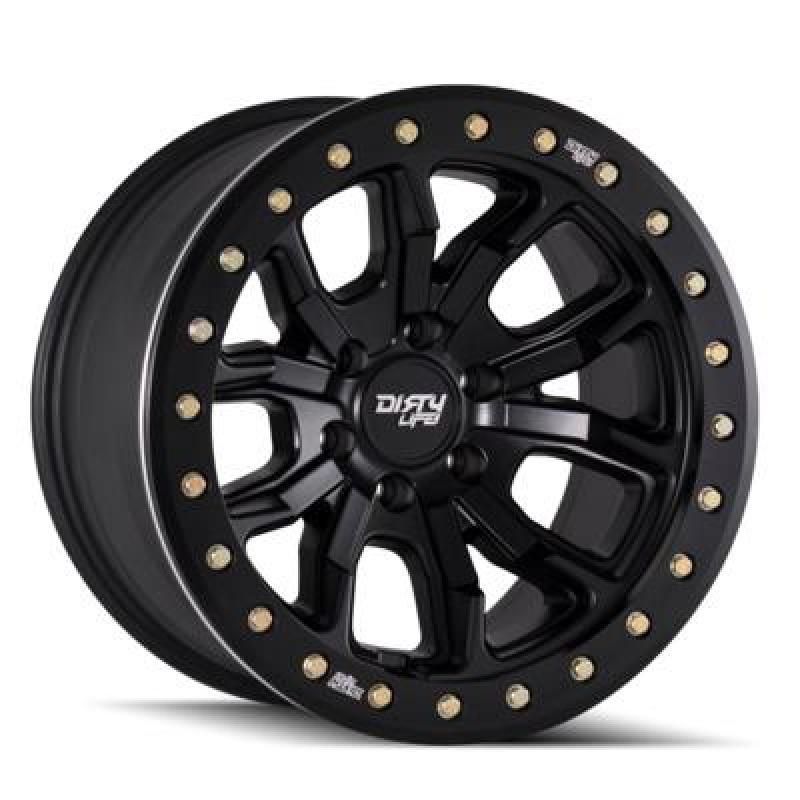
MPN: 9303-7973MB12
Dirty Life 9303 DT-1 17x9 / 5x127 BP / -12mm Offset / 78.1mm Hub Matte Black Wheel - Beadlock
Sale price€535.10
Regular price€608.07
Only 5 leftBlack Friday Deal


MPN: 9309-7973MB12
Dirty Life 9309 Canyon Pro 17x9/5x127 BP/-12mm Offset/71.5mm Hub Matte Black Wheel - Not Beadlock
Sale price€390.21
Regular price€443.42
In stock (14)Black Friday Deal

MPN: 9303-7973MGD12
Dirty Life 9303 DT-1 17x9 / 5x127 BP / -12mm Offset / 78.1mm Hub Satin Gold Wheel - Sim. Beadlock
Sale price€535.20
Regular price€608.18
Only 1 leftBlack Friday Deal

MPN: 9317-7973MB38
Dirty Life DT-3 17X9 5x127 -38 Offset - Satin Black w/ Simulated Beadlock
Sale price€513.71
Regular price€583.76
Only 5 leftBlack Friday Deal

MPN: 9317-7973MB
Dirty Life DT-3 17X9 5x127 -12 Offset - Satin Black w/ Simulated Beadlock
Sale price€511.29
Regular price€581.01
In stock (10)Black Friday Deal

MPN: 9317-7973M38
Dirty Life DT-3 17X9 5x127 -38 Offset - Machined Finish w/ Simulated Beadlock
Sale price€513.74
Regular price€583.79
Only 5 leftBlack Friday Deal

MPN: 9317-7973M
Dirty Life DT-3 17X9 5x127 -12 Offset - Machined Finish w/ Simulated Beadlock
Sale price€519.89
Regular price€590.78
Only 5 leftBlack Friday Deal
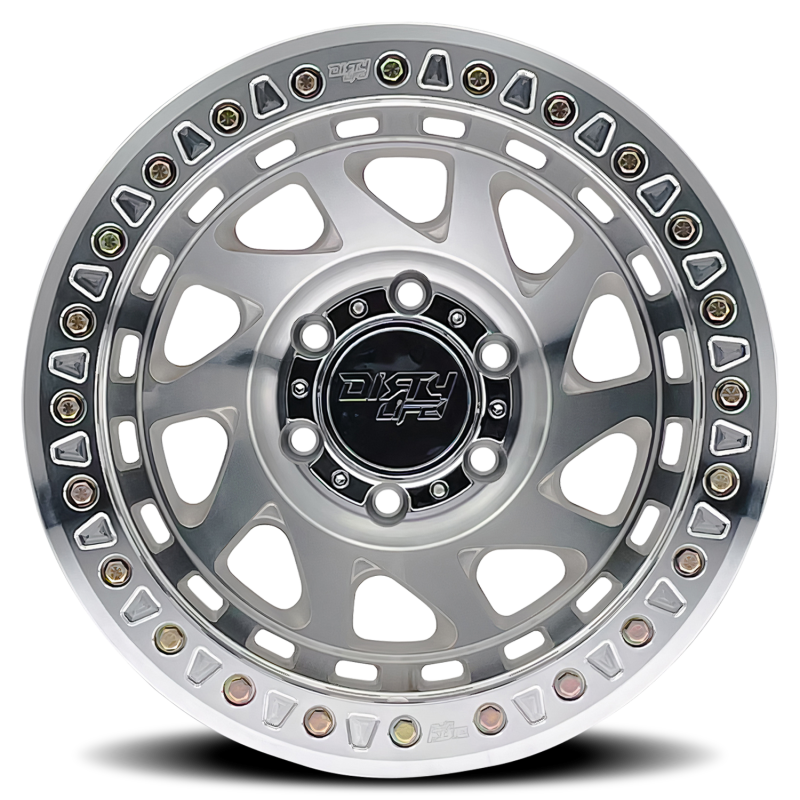
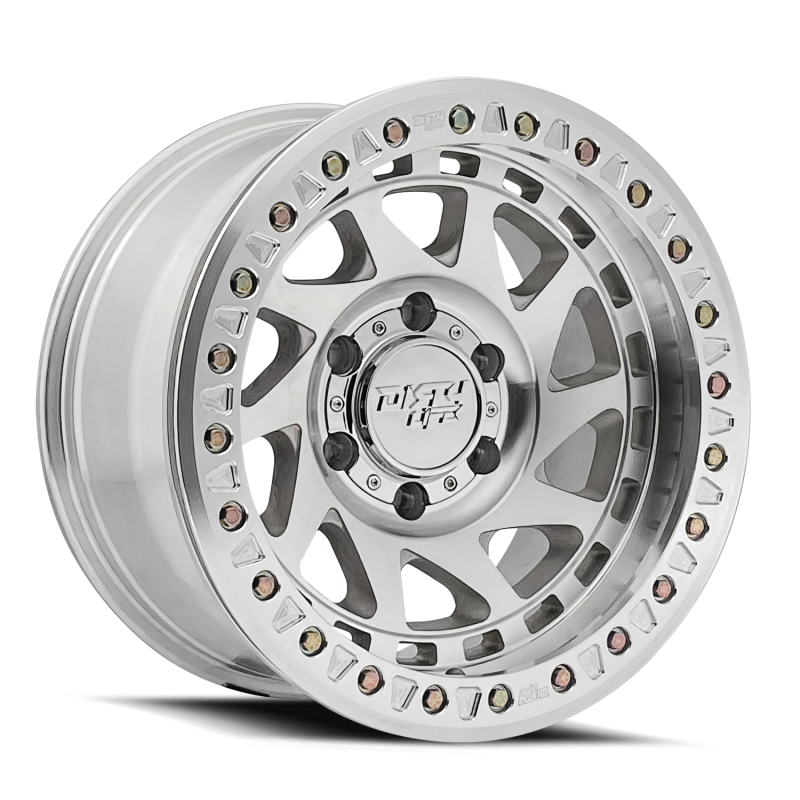
MPN: 9313-7973M12
Dirty Life 9313 Enigma Race 17x9 / 5x127 BP / -12mm Offset / 78.1mm Hub Machined Wheel
Sale price€597.75
Regular price€664.17
In stock (11)Black Friday Deal


MPN: 9312-7973M38
Dirty Life 9312 Mesa Race 17x9 / 5x127 BP / -38mm Offset / 71.5mm Hub Machined Wheel - Beadlock
Sale price€653.56
Regular price€726.18
In stock (6)Black Friday Deal


MPN: 9312-7973M12
Dirty Life 9312 Mesa Race 17x9 / 5x127 BP / -12mm Offset / 71.5mm Hub Machined Wheel - Beadlock
Sale price€648.00
Regular price€720.00
In stock (10)Black Friday Deal


MPN: 9302-7973MB14
Dirty Life 9302 Roadkill Race 17x9/5x127 BP/-14mm Offset/71.5mm Hub Matte Blk Wheel - Beadlock
Sale price€578.56
Regular price€657.45
In stock (10)Black Friday Deal


MPN: 9302-7973M14
Dirty Life 9302 Roadkill Race 17x9 / 5x127 BP / -14mm Offset / 71.5mm Hub Machined Wheel - Beadlock
Sale price€609.60
Regular price€677.33
In stock (10)Black Friday Deal


MPN: 171-5865P
ION Type 171 15x8 / 5x114.3 BP / -27mm Offset / 83.82mm Hub Polished Wheel
Sale price€249.14
Regular price€293.10
Only 3 leftBlack Friday Deal
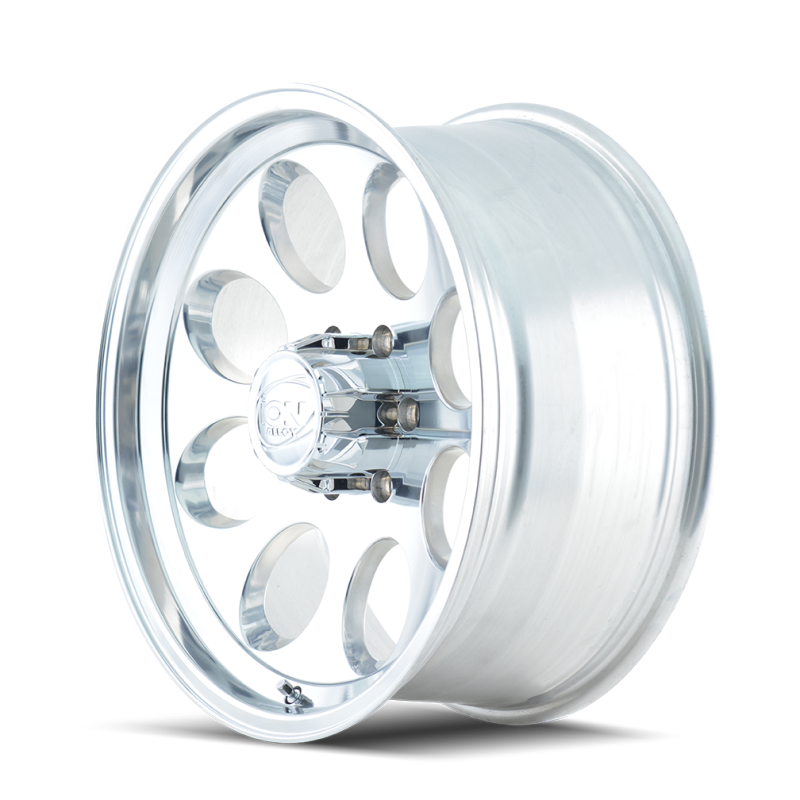

MPN: 171-5165P
ION Type 171 15x10 / 5x114.3 BP / -38mm Offset / 83.82mm Hub Polished Wheel
Sale price€280.14
Regular price€329.58
In stock (8)Black Friday Deal


MPN: 1817856547SB
ICON Rebound 17x8.5 5x4.5 0mm Offset 4.75in BS 71.5mm Bore Satin Black Wheel
Sale price€402.24
Regular price€457.09
In stock (8)Black Friday Deal
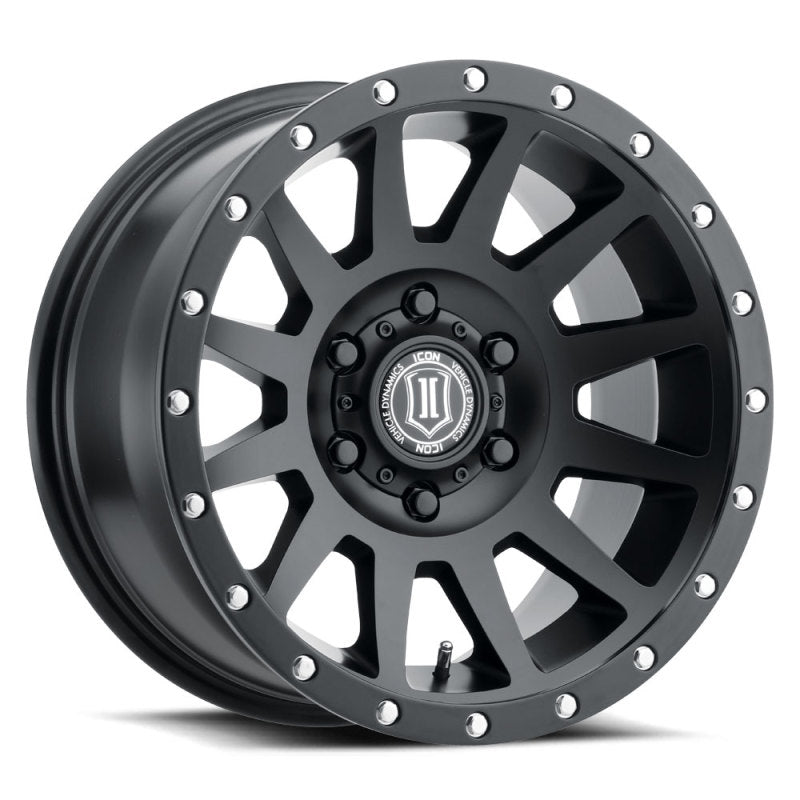
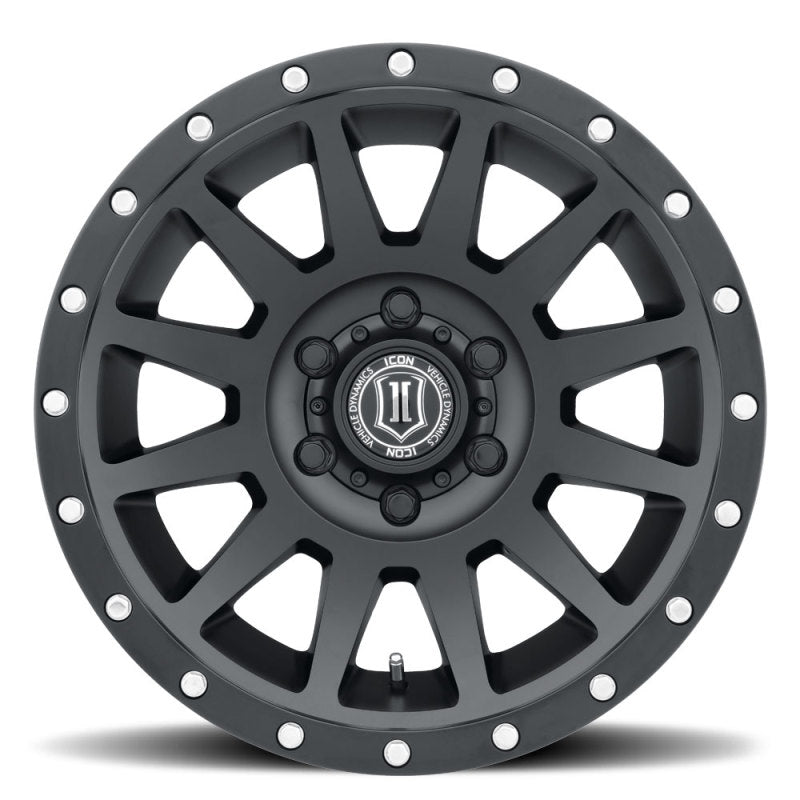
MPN: 2017857345SB
ICON Compression 17x8.5 5x5 -6mm Offset 4.5in BS 71.5mm Bore Satin Black Wheel
Sale price€422.53
Regular price€480.15
Only 4 leftBlack Friday Deal


MPN: 21817857345TT
ICON Rebound Pro 17x8.5 5x5 -6mm Offset 4.5in BS 71.5mm Bore Titanium Wheel
Sale price€470.03
Regular price€534.13
In stock (21)Black Friday Deal


MPN: 21817857345SB
ICON Rebound Pro 17x8.5 5x5 -6mm Offset 4.5in BS 71.5mm Bore Satin Black Wheel
Sale price€456.84
Regular price€519.14
In stock (16)Black Friday Deal


MPN: 21817857345BR
ICON Rebound Pro 17x8.5 5x5 -6mm Offset 4.5in BS 71.5mm Bore Bronze Wheel
Sale price€464.54
Regular price€527.89
Only 4 leftBlack Friday Deal


MPN: 9309-7973MGT12
Dirty Life 9309 Canyon Pro 17x9/5x127 BP/-12mm Offset/71.5mm Hub Satin Graphite Wheel - Beadlock
Sale price€393.18
Regular price€446.79
Only 2 leftBlack Friday Deal


MPN: 171-7973MB12
ION Type 171 17x9 / 5x127 BP / -12mm Offset / 83.82mm Hub Matte Black Wheel
Sale price€279.40
Regular price€328.70
Only 1 left
Can’t find what you are looking for?
Contact us
Discover more than 600,000 products also available to buy
Recently viewed
CUSTOMER BUILDS
Built with parts from Tuningsupply




Frequently asked questions
We ship to every EU country, plus Norway and Switzerland, always with track & trace. On request we can also ship to other countries. In that case any import duties and taxes are paid by you.
Not within the EU, Norway and Switzerland. Our prices include VAT, and we take care of import duties and customs. There is nothing extra to pay when the courier arrives.
We carry more than 800,000 parts from over 400 brands. Some parts ship from European stock. Others we order from the manufacturer or distributor, often in the US, and we handle the import. Every part comes through our warehouse in the Netherlands, where we check it before it ships to you.
That depends on your country and the shipping method you choose at checkout. Most parts reach our warehouse within 2 to 4 business days. With DHL Express they then reach you in 1 to 2 business days, so with the fastest option we can deliver almost anywhere within 6 business days.
We do depend on our suppliers and carriers, so these times are estimates. You get a track & trace link as soon as your order ships.
Standard shipping is with DPD. At checkout you can also choose DHL Express Economy or DHL Express Air for faster delivery. Large parcels go with NL Logistics within the Netherlands and Belgium, and with DHL Express to all other countries.
Send us your VIN, or your car's make, model, year and trim, and we check fitment for free before your order ships. Contact us before you order.
Yes. As a consumer you can register a return within 14 days of receiving your order through our returns portal, and then send it back within another 14 days. Return shipping is at your own cost, unless we sent the wrong part or it arrived damaged. Installed or used parts may not be refunded in full.
Read our returns policy for all details.
Yes, as long as we have not yet ordered the part from our supplier. Email support@tuningsupply.com as soon as possible. Special orders cannot be cancelled.
Email support@tuningsupply.com, call +31 85 212 9914 or use our contact page. We are happy to help.