Which brake upgrade does your Mustang actually need?
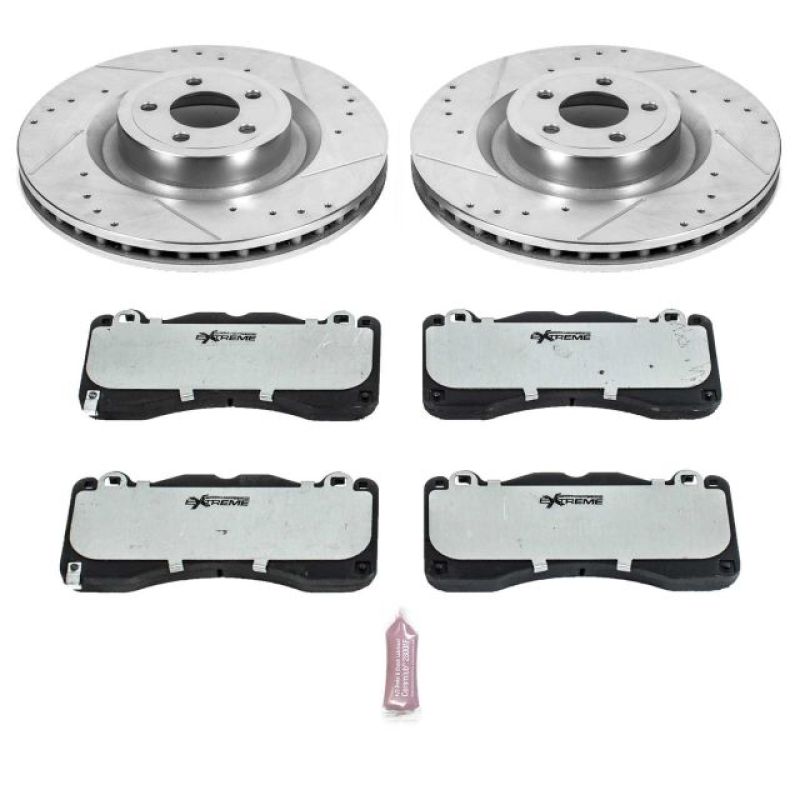
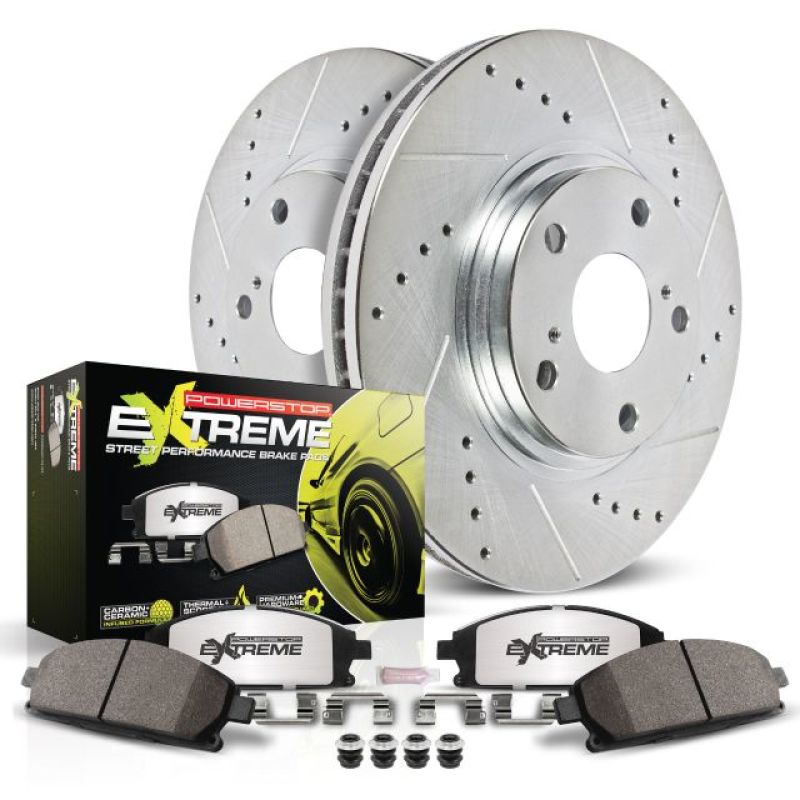
For a daily-driven S550 GT or EcoBoost with occasional spirited use, start with front pads and stainless lines. The Power Stop 15-19 Ford Mustang Front Z23 Evolution Sport Brake Pads w/Hardware give you firmer initial bite and noticeably less wheel dust than OEM. The Brembo 15-22 Ford Mustang Front NAO Brake Pad is an NAO compound suited to daily driving and light track use. Pair either pad with the Russell Performance 05-11 Ford Mustang (with ABS) Brake Line Kit on an S197 and you can improve pedal feel. Installation is moderate DIY: bolt-on fittings, no fabrication, but the system must be bled correctly before driving.
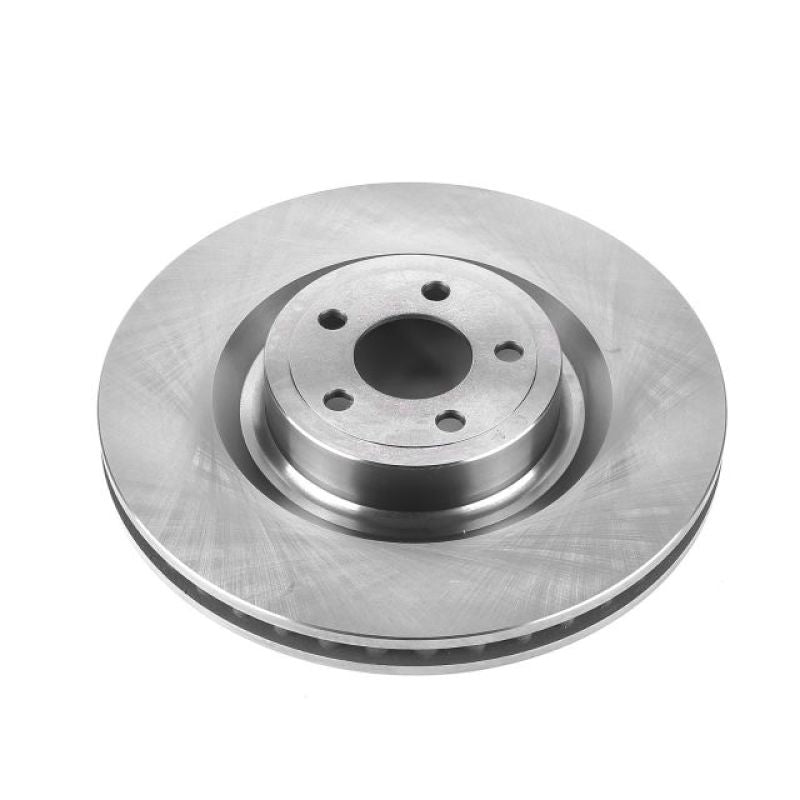
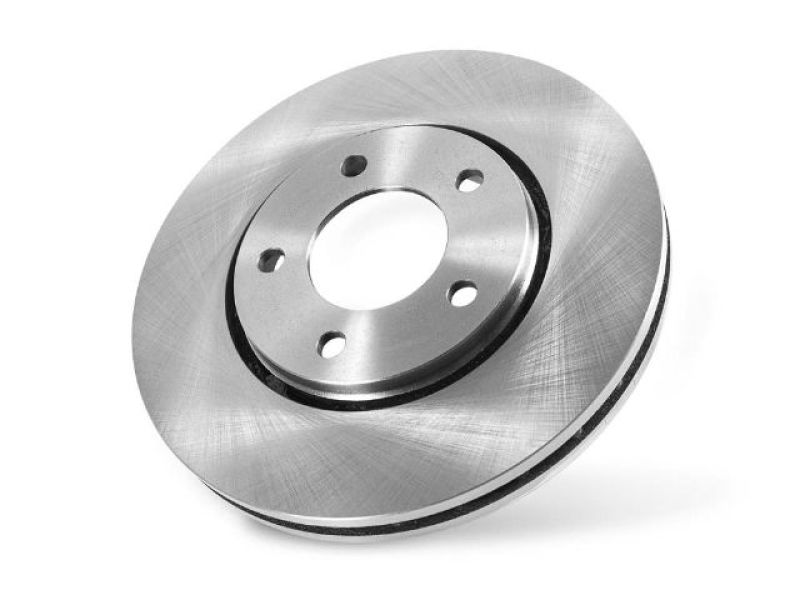
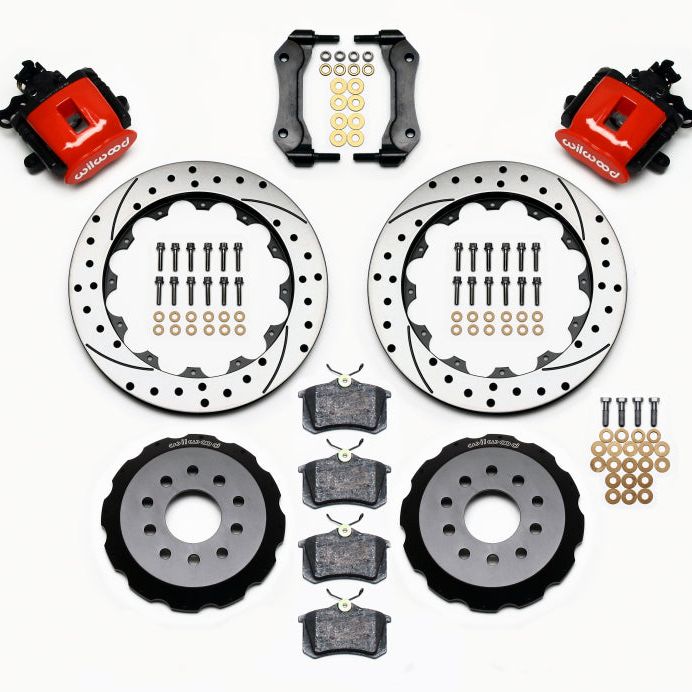
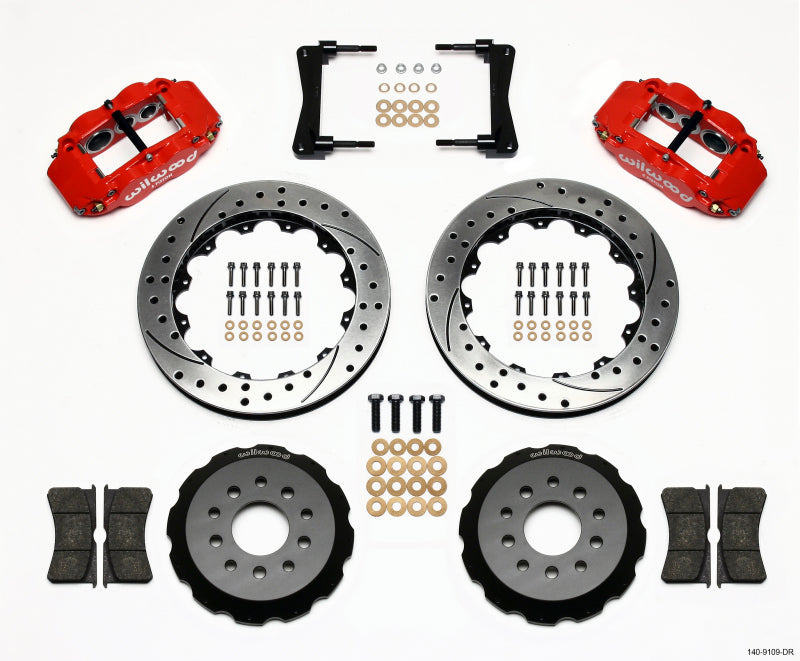
If your S197 sees repeated hard braking on track or fast downhill roads, a pad and rotor swap will help, but it will not solve thermal fade the way a big brake conversion does. The Power Stop 05-14 Ford Mustang Front Big Brake Conversion Kit moves you to larger rotors and multi-piston calipers on the front axle. It bolts to OE knuckles without welding, but wheel clearance must be checked before ordering, and most buyers have a shop handle the install for safety. For S550 and other years, browse our full big brake kits collection.
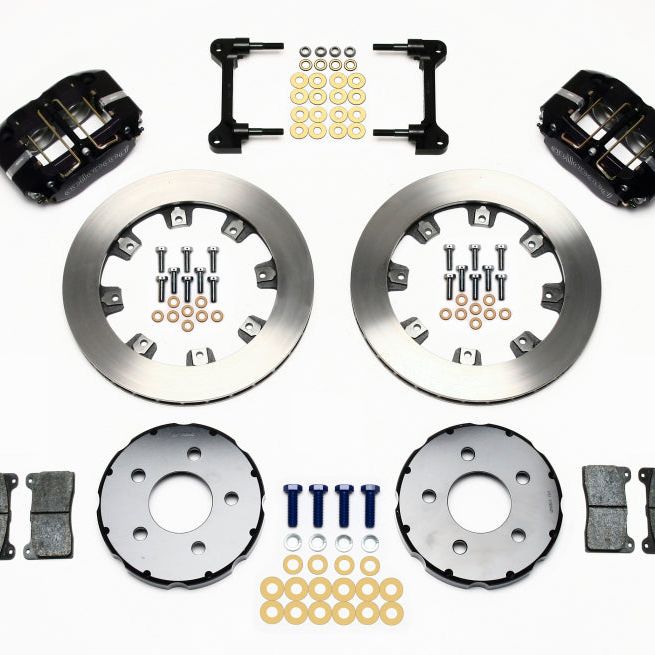
For a 1965-1969 Mustang still on drums or tired old discs, the Wilwood Forged Dynalite-M Front Kit 11.30in 1 PC Rotor and Hub Drill-Red 1965-1969 Mustang Disc and Drum is a front disc conversion for the listed drum or disc spindle application. It includes hubs, one-piece rotors, and multi-piston calipers, and it is designed for the specific spindle configurations listed on the product page. The result is modern pedal feel and fade resistance on a first-gen chassis.
Pad compounds: NAO, ceramic sport, and semi-metallic
NAO compounds like the Brembo front pad offer reliable cold bite and low dust, which makes them a practical choice for a Mustang driven daily. Ceramic sport pads like the Power Stop Z23 are slightly more aggressive: firmer initial feel and cleaner wheels are commonly noted characteristics. Semi-metallic and dedicated track compounds are designed to operate at higher temperatures, but cold-morning street performance and noise levels may differ from street-oriented pads. For a daily-driven Mustang with occasional track days, NAO or ceramic sport is the right call. Reserve true track compounds for cars that spend real time on circuit. Whichever pad you choose, bed them properly after install: a controlled series of moderate stops to transfer an even friction layer onto the rotor surface. Skipping this step is the most common cause of brake noise and uneven wear after an upgrade.
Fitment by generation
| Generation | Years | Key fitment notes | Typical upgrade path |
|---|
| Classic | 1965-1969 | Disc and drum spindle variants; hubs and rotor dimensions differ from all later cars | Wilwood Dynalite-M front disc conversion for the listed spindle application; verify wheel clearance with product page |
| SN95 / New Edge | 1994-2004 | Factory discs on GT and Cobra; rotor and caliper sizes vary by trim and optional equipment; confirm exact fitment before ordering | Performance pads and rotors first; stainless lines; big brake kits where listed |
| S197 | 2005-2014 | Russell ABS line kit fits 2005-2011 with ABS only; Power Stop big brake kit listed for 2005-2014 front; GT500 and Boss 302 use larger OE rotors, verify caliper type before ordering | Pads and stainless lines for street; front big brake kit for track or repeated hard use |
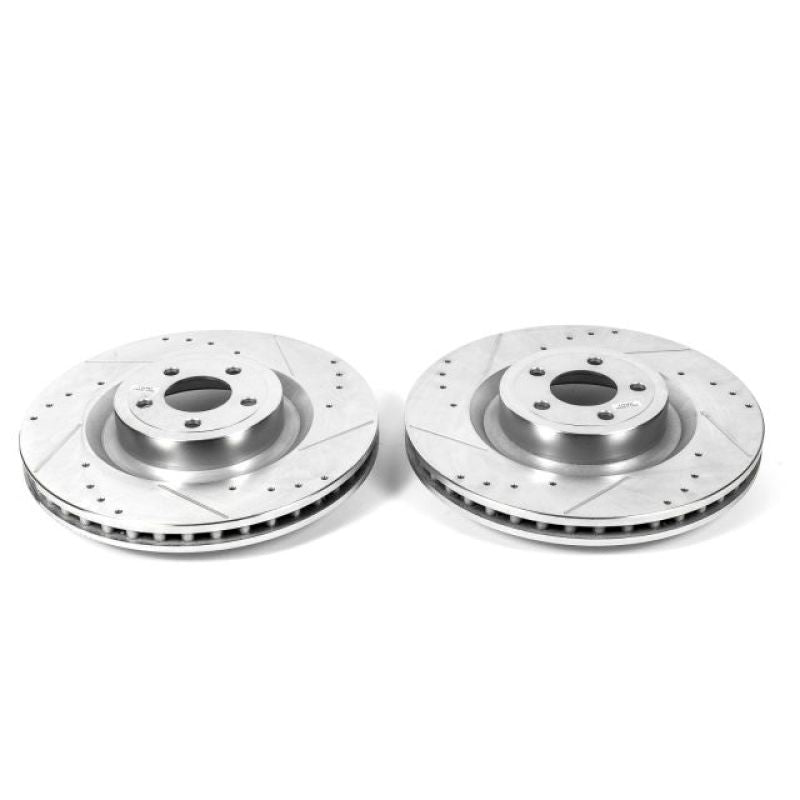
| S550 | 2015-2023 | EcoBoost and GT use different rotor sizes; Performance Pack and Brembo package cars use larger calipers with different pad shapes; GT350 and GT500 are separate fitments; always confirm caliper type and brake package before ordering pads | Performance pads (Z23 or Brembo NAO) for front; slotted rotors; stainless lines |
| S650 | 2024+ | Check product pages for current coverage; filter by year and trim | Check product pages for current coverage; filter by year and trim |
All kits in this collection are application-listed, not generic. Always verify year, engine, trim, axle, and ABS or non-ABS before ordering. For wheel clearance context when fitting a big brake kit, check our wheels collection. Many front big brake kits require a minimum 17-inch wheel or larger; always check the individual kit's wheel-clearance notes, as requirements vary by setup. Caliper-to-spoke clearance must be confirmed. Rear pads and rotors are available in our broader performance brake parts collection.
Ordering from Europe
Ford Mustang brake parts in this collection are shipped from our EU warehouse, which means no import duties and no unexpected fees on delivery. We ship across Europe. If you are unsure whether a specific kit fits your trim, Brembo package, Performance Pack, or classic spindle type, reach out by phone or email and we will confirm fitment before you order.
FAQ: Ford Mustang brake upgrades
Do I need to upgrade rear brakes when fitting a front big brake kit?
For street use, the factory rear brakes remain adequate after a front big brake conversion on most S197 and S550 Mustangs. For track use, review rear pad compound and rotor condition to keep overall brake balance consistent; shifting more force to the front without fresh rear pads can make balance unpredictable at the limit.
Will a big brake kit work with my factory ABS and stability control?
Yes, when the kit is correctly matched to your year and trim. Many application-listed kits in this collection are designed to work with OE ABS and caliper geometry, but this varies by exact SKU. Using parts with the wrong rotor diameter or a mismatched wheel speed ring will cause ABS faults, which is why fitment confirmation matters before you order.
What wheel size do I need to clear a big brake kit?
Many front big brake kits require a minimum 17-inch wheel or larger; always check the individual kit's wheel-clearance notes, as requirements vary by setup. Caliper-to-spoke clearance must be verified, especially on classic Mustangs running period-style wheels with narrow inner barrels. Check our wheels collection for clearance context.
Are these parts bolt-on, and can I install them at home?
Pads, rotors, and most stainless brake lines and kits are bolt-on with standard hand tools, a torque wrench, and a brake bleeder. Big brake kits and classic disc conversions are also bolt-on within their listed applications, no welding or fabrication required, but many buyers use a shop for these given the safety implications of the brake system.
Should I upgrade brake fluid for track use?
For track days and repeated hard stops, using a high-boiling-point fluid and bleeding the system fresh is a commonly recommended practice. Check your kit and pad manufacturer's recommendations for fluid specification.
How do these brakes behave in winter and daily use?
NAO and ceramic sport pads are designed to provide reliable cold bite suited to daily driving. Some performance rotors feature coatings on non-friction surfaces to resist corrosion; check individual product pages for coating details. Trade-offs to know: some sport pads produce slightly more squeal than OE until fully bedded, and a big brake kit adds unsprung weight, which you may notice on rougher roads compared to a standard pad and rotor swap.