Find the right system for your Tundra
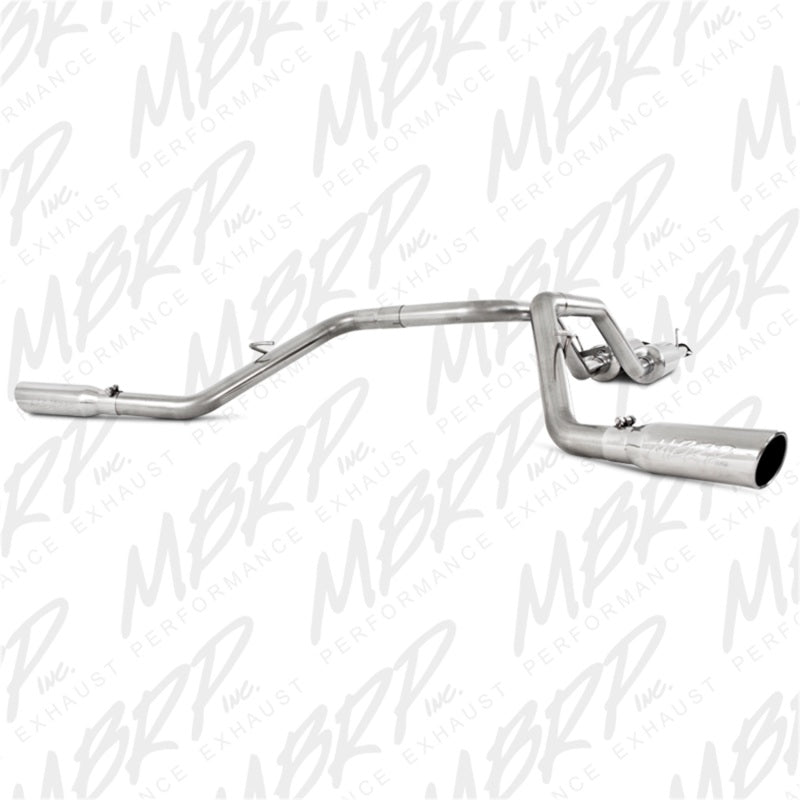
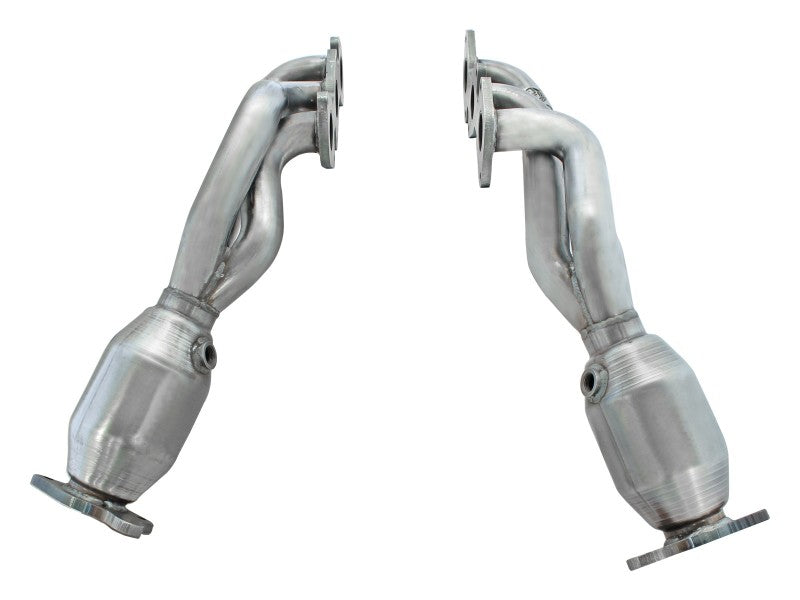
Second-gen 5.7L owners, 2022+ i-Force owners, and 2000-2004 4.7L builders each have a different starting point here. For the 2009-2010 5.7L, the MBRP cat-back systems are the main event: full replacement from the catalytic converters back, with a choice between single side and dual split rear exits. For 2022+ trucks, the MagnaFlow D-Fit is the clean answer: a rear muffler swap that bolts straight to the factory mid-pipe. For 2000-2004 4.7L V8 trucks, the JBA Cat4Ward headers are the upstream upgrade that pairs with a cat-back for real full-system gains.
Cat-back or muffler swap: which one fits your goal?
The choice between a cat-back and a muffler replacement comes down to how much of your system you want to replace and how much sound and power change you are after.
A cat-back system replaces everything from the catalytic converters back: mid-pipe, muffler, tailpipes and tips. On the 2009-2010 Tundra 5.7L, fitment is specific to Extended Cab Standard Bed and Short Bed / Crew Cab Short Bed configurations. No ECU tune is required; the factory O2 sensors stay in their stock positions. Expect a modest horsepower gain, felt mainly at mid-range and under load rather than at idle. The MBRP Dual Split Rear Cat-Back gives you the stronger visual presence and a deeper, more aggressive tone. The MBRP Single Side Cat-Back runs simpler routing and is the cleaner choice for lifted trucks or builds with aftermarket tow gear.
The MagnaFlow 2022+ Tundra D-Fit Muffler Replacement swaps only the rear muffler section, bolting directly to the OEM mid-pipe and factory hanger locations. All catalytic converters and sensors remain untouched. It is the right call for 2022+ i-Force owners who want a better tone without pulling the whole system.
The JBA 00-04 Toyota 4.7L V8 Cat4Ward Header sits upstream at the cylinder head, before the catalytic converters. It is a more involved install than a cat-back and a tune may help optimize results when paired with other upgrades.
Sound, power, and the trade-offs worth knowing
On the 5.7L, a cat-back delivers a noticeably deeper V8 rumble with more presence under throttle. The gain is real but modest, mostly felt in the mid-range and when towing or accelerating hard. A muffler swap on the 2022+ V6 is primarily about exhaust tone rather than dyno numbers.
The honest trade-off with aggressive dual split rear setups is cabin drone at steady motorway speeds. If your Tundra does long Autobahn runs or regular highway commuting, the MBRP Single Side or the MagnaFlow D-Fit will serve you better than the most aggressive dual exit configuration. Save the dual split rear for trucks where sound is the priority.
For EU owners, stainless steel is worth considering for longevity. Road salt and wet winters will shorten the life of an aluminized system faster than a stainless build. All cat-back and muffler-back systems on this page retain factory catalytic converters; consult local regulations to confirm compliance in your jurisdiction, as noise limits vary by country and very aggressive setups may approach those limits.
Does it fit your exact Tundra?
Every system here is Tundra-specific, but each has its own year, engine, cab and bed window. Lifted trucks and builds with aftermarket tow bars should confirm clearance before ordering, especially with dual split rear routing near the spare tire and hitch. For heavily modified trucks, the single side layout may reduce fitment uncertainty.
Check your cab and bed combination against the product listing before ordering. These Tundra exhausts ship from our EU warehouse, so a bulky cat-back box does not come with a customs surprise on arrival.
Toyota Tundra exhaust FAQ
Do I need a tune after installing a cat-back on my Tundra?
No. Cat-back and muffler-swap systems bolt on behind the factory catalytic converters and leave all oxygen sensors in their stock positions. Headers are different: a tune may help optimize results from the improved exhaust flow upstream.
Will the MBRP dual split rear system clear my tow hitch or aftermarket bumper?
Most OEM tow hitches clear without issue. Aftermarket rear bumpers, relocated spare tires, or extreme off-road setups may create routing conflicts with the dual split rear pipes. If your truck is heavily modified at the rear, the single side cat-back may reduce fitment uncertainty.
Is the MagnaFlow D-Fit truly no-cut and no-weld on the 2022+ Tundra?
It connects directly to the OEM mid-pipe using factory hanger locations. The catalytic converters stay exactly where they are. Check the product listing for the full installation requirements specific to your build.
Will this exhaust pass inspection in Germany, Sweden, or France?
All systems on this page are cat-back or muffler-back, meaning catalytic converters remain in place. Noise limits differ per country, and more aggressive setups can approach those limits. A moderate or street-level system is the safer daily choice for EU inspection. If you are running a very loud setup, check your local noise regulations before committing.
How long does delivery take to Germany or the Netherlands?
These exhausts ship from our EU warehouse, so there are no import fees or customs delays. Exact delivery timing depends on your location and the specific product. If you have questions about a specific order, contact us directly.
What is the difference between the MBRP single side and dual split rear in terms of drone and routing?
The single side runs a simpler route with one exit and less pipe work around the rear axle and bumper. The dual split rear adds a second exit for a stronger visual and a slightly more aggressive tone, but the more complex routing may increase the chance of drone at steady cruise. Daily drivers and long-distance motorway users may prefer the single side. Sound-first builds can consider the dual split rear with that trade-off in mind.