

Black Friday Deal


MPN: F960272110103
Addictive Desert Designs 18-23 Jeep Gladiator/Wrangler JT/JL Stealth Fighter Front Bumper
Sale price€2,462.32
Regular price€2,619.49
Only 3 leftBlack Friday Deal

MPN: 11573.10
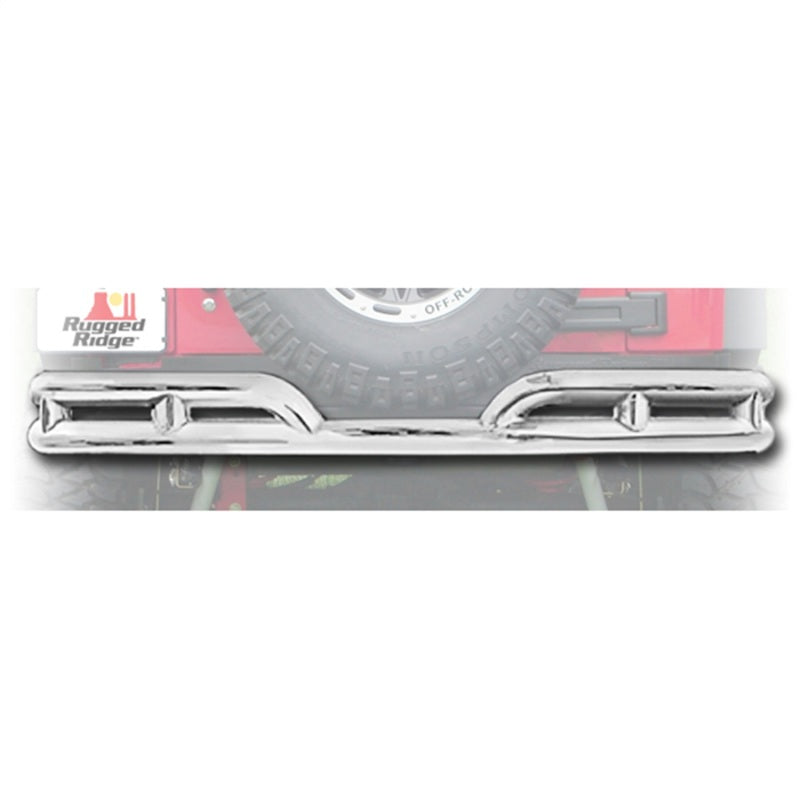
Rugged Ridge 3in Double Rear Tube Bumper 07-18 Jeep Wrangler
Sale price€824.37
Regular price€915.97
Sold outBlack Friday Deal


MPN: 11549.17
Rugged Ridge 18-20 Jeep Wrangler JL Arcus Rear Bumper
Sale price€853.48
Regular price€948.31
Only 2 leftBlack Friday Deal


MPN: 11541.19
Rugged Ridge 18+ Jeep Wrangler JL / 20+ Gladiator JT XOR Stubby Front Bumper w/o Skid Plate
Sale price€592.76
Regular price€658.62
In stock (15)Black Friday Deal


MPN: 11540.57
Rugged Ridge XHD Bumper Kit Overrider Ft 76-06 CJ/Jeep Wrangler
Sale price€982.44
Regular price€1,079.60
Only 2 leftBlack Friday Deal

MPN: FB22135
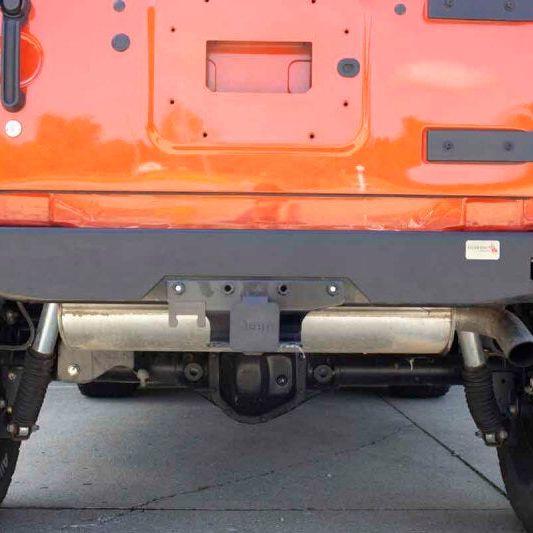
Fishbone Offroad 07-18 Jeep Wrangler JK Rubicon/Unlimited Rear Bumper Delete
Sale price€348.92
Regular price€410.49
Only 2 leftBlack Friday Deal


MPN: 11549.55
Rugged Ridge Venator Front Bumper Overrider 18-19 JL
Sale price€249.04
Regular price€292.99
Only 5 leftBlack Friday Deal


MPN: 11543.16
Rugged Ridge Winch Mount Plate 2018-20 Jeep JL/JT
Sale price€424.74
Regular price€482.66
In stock (10)Black Friday Deal


MPN: 11541.22
Rugged Ridge 18-20 Jeep Wrangler JL Rear XOR Bumper
Sale price€704.02
Regular price€782.24
In stock (8)Black Friday Deal

MPN: 11108.01
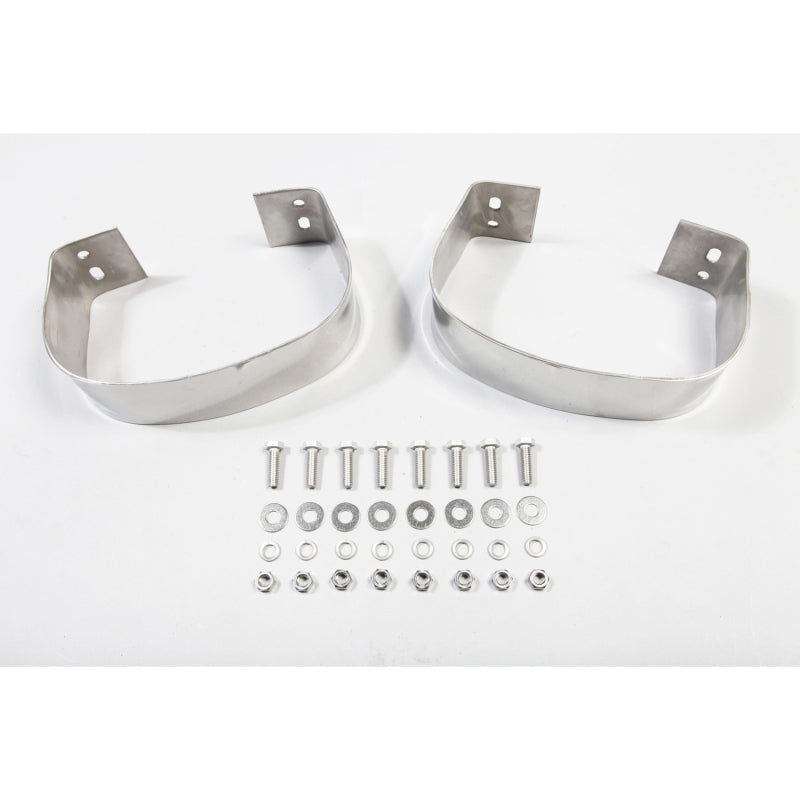
Rugged Ridge 76-95 Jeep CJ / Jeep Wrangler Stainless Steel Rear Bumperettes
Sale price€251.97
Regular price€296.43
Sold outBlack Friday Deal
MPN: 8448
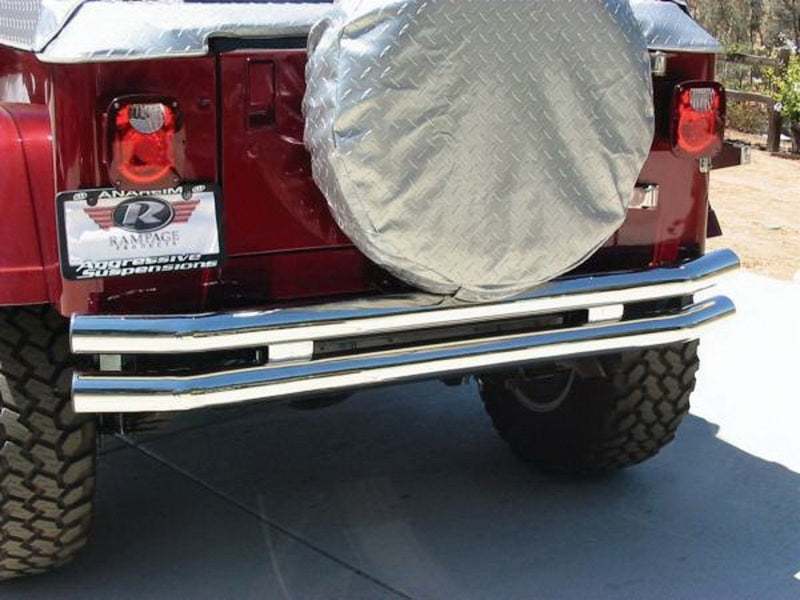
Rampage 1976-1983 Jeep CJ5 Double Tube Rear Bumper w/Hitch Receiver - Stainless
Sale price€563.94
Regular price€640.84
Only 5 leftBlack Friday Deal

MPN: 8420
Rampage 1976-1983 Jeep CJ5 Double Tube Bumper Front - Stainless
Sale price€577.10
Regular price€655.80
Only 4 leftBlack Friday Deal

MPN: 7648
Rampage 1976-1983 Jeep CJ5 Double Tube Rear Bumper - Black
Sale price€376.08
Regular price€427.36
Only 2 leftBlack Friday Deal
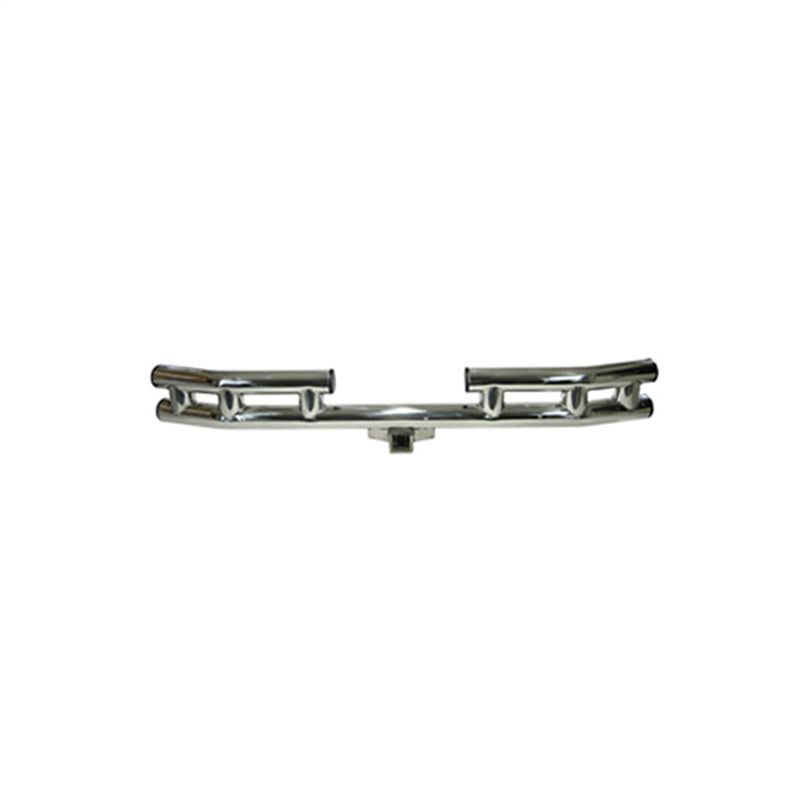

MPN: 11522.01
Rugged Ridge 3-In Rear Tube Bumper SS 55-06 CJ / Jeep Wrangler
Sale price€893.95
Regular price€982.36
Only 4 leftBlack Friday Deal
MPN: 86616
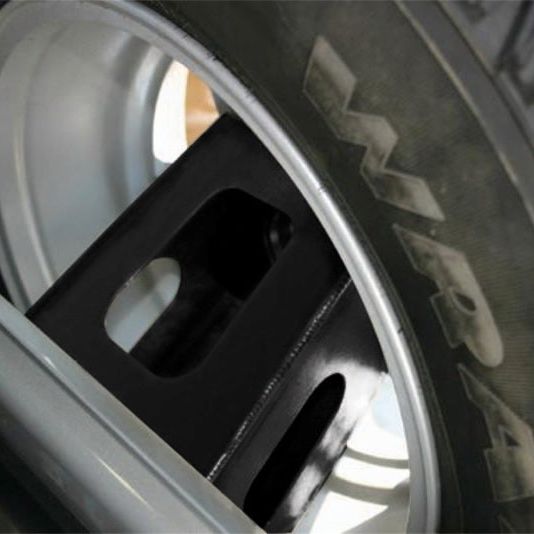
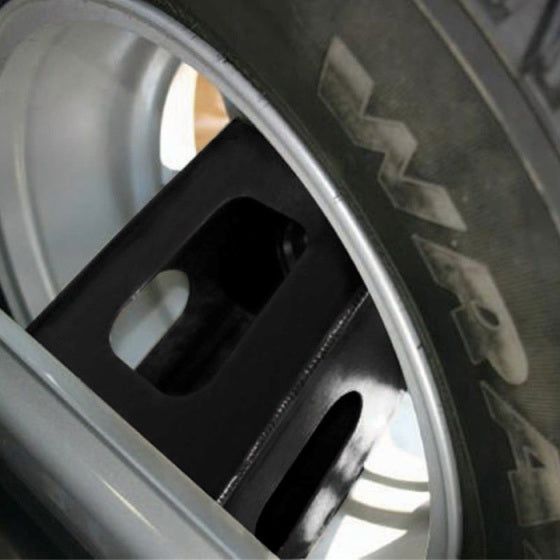
Rampage 1987-1995 Jeep Wrangler(YJ) Rear Tailgate Tire Extender - Black
Sale price€127.54
Regular price€159.42
Only 2 leftBlack Friday Deal
MPN: 86615
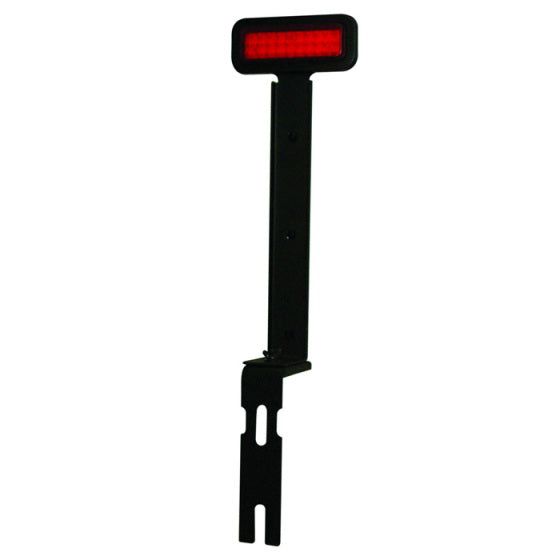
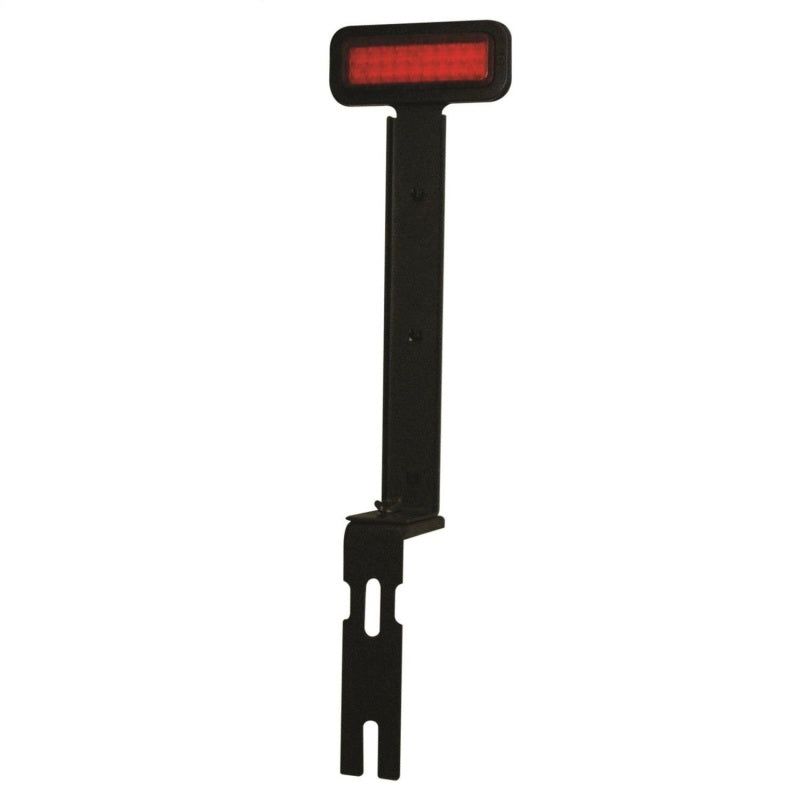
Rampage 1999-2019 Universal Third Brake Light Bracket - Black
Sale price€114.67
Regular price€143.34
Only 2 leftBlack Friday Deal
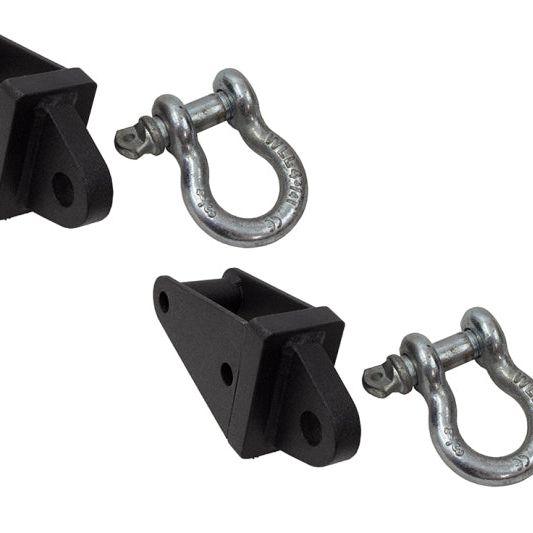
MPN: FB22136
Fishbone Offroad 07-18 JK Wrangler Rubicon and Unlimited Jeep JK Rear D-Ring Frame Mounts
Sale price€222.47
Regular price€271.31
Only 3 leftBlack Friday Deal
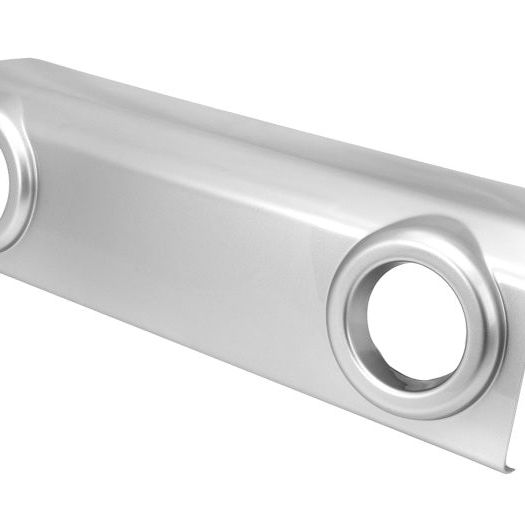

MPN: 12040.08
Omix Front Bumper Applique Silver 07-18 Jeep Wrangler
Sale price€294.60
Regular price€346.59
Only 4 left
Can’t find what you are looking for?
Contact us
Discover more than 600,000 products also available to buy
Recently viewed
CUSTOMER BUILDS
Built with parts from Tuningsupply




Frequently asked questions
We ship to every EU country, plus Norway and Switzerland, always with track & trace. On request we can also ship to other countries. In that case any import duties and taxes are paid by you.
Not within the EU, Norway and Switzerland. Our prices include VAT, and we take care of import duties and customs. There is nothing extra to pay when the courier arrives.
We carry more than 800,000 parts from over 400 brands. Some parts ship from European stock. Others we order from the manufacturer or distributor, often in the US, and we handle the import. Every part comes through our warehouse in the Netherlands, where we check it before it ships to you.
That depends on your country and the shipping method you choose at checkout. Most parts reach our warehouse within 2 to 4 business days. With DHL Express they then reach you in 1 to 2 business days, so with the fastest option we can deliver almost anywhere within 6 business days.
We do depend on our suppliers and carriers, so these times are estimates. You get a track & trace link as soon as your order ships.
Standard shipping is with DPD. At checkout you can also choose DHL Express Economy or DHL Express Air for faster delivery. Large parcels go with NL Logistics within the Netherlands and Belgium, and with DHL Express to all other countries.
Send us your VIN, or your car's make, model, year and trim, and we check fitment for free before your order ships. Contact us before you order.
Yes. As a consumer you can register a return within 14 days of receiving your order through our returns portal, and then send it back within another 14 days. Return shipping is at your own cost, unless we sent the wrong part or it arrived damaged. Installed or used parts may not be refunded in full.
Read our returns policy for all details.
Yes, as long as we have not yet ordered the part from our supplier. Email support@tuningsupply.com as soon as possible. Special orders cannot be cancelled.
Email support@tuningsupply.com, call +31 85 212 9914 or use our contact page. We are happy to help.